
Reviewed · CAMEL RIDES
Wadi Rum: Camel Trek Adventure
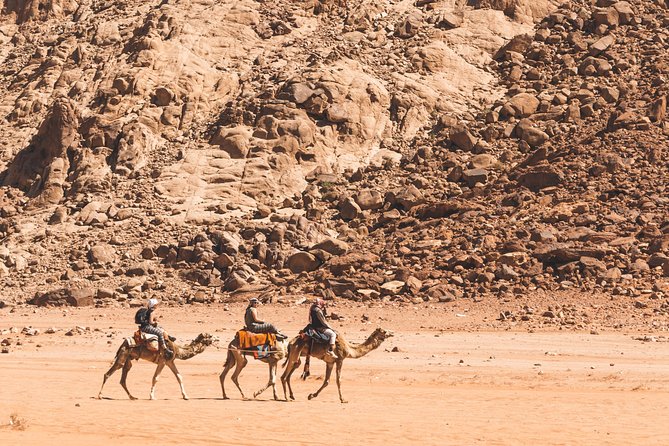
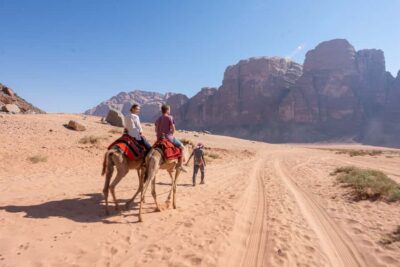
The best part of this Wadi Rum outing is its slow pace. From the back of a camel, you cross orange sand valleys and pass beneath huge rock walls without the engine noise of a desert truck. Lawrence Spring, the Red Sand Dune, and Khazali Canyon give the ride a clear sense of place rather than leaving you wandering at random.
I like two things here: the private format, which lets you set the pace with your own guide, and the care given to the camels. The route is led by local Bedouins, and the camels are described as healthy, gentle, and well looked after. The main drawback is physical comfort. Even a three to four hour ride can leave your legs and back sore, especially if you rarely ride animals.
Key points to know before booking
- Private camel convoy: Only your group takes part, so you avoid being tied to a large tour party.
- Classic Wadi Rum sights: The route may include Lawrence Spring, the Red Sand Dune, and Khazali Canyon.
- Bedouin-led experience: Local guides lead the ride and can shape the route around your timing and interests.
- Water is supplied: Bottled water is included, a useful detail in the dry desert heat.
- Extra park fee: Pay 7 JD per adult at the Visitor Centre, unless your Jordan Pass covers it.
- Flexible cancellation: Cancel at least 24 hours before the start for a full refund.
A quiet way to enter Wadi Rum
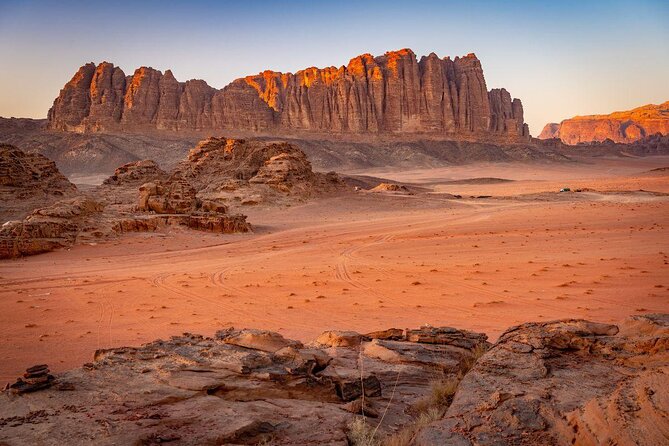
Wadi Rum is famous for its broad red valleys and towering sandstone formations. You can see much of it quickly by jeep, but a camel changes the rhythm. The animal’s measured walk gives you time to notice the silence, the shifting color of the sand, and the scale of the cliffs around you.
This is not a race from one photo stop to the next. The guide leads a traditional camel convoy and takes you along a route suited to the time of day. Morning and afternoon outings do not necessarily follow the same pattern, so you should think of the listed sights as likely highlights rather than a rigid promise of every stop.
The private setup matters. You are not trying to keep up with a busload of people or waiting for strangers to finish taking pictures. You can ask for a short pause, take photos of the camels, or simply sit quietly and watch the desert change around you.
You meet at Wadi Rum Rest House in Wadi Rum Village. From there, your guide arranges the move toward the camels and the protected area. The activity ends back at the meeting point, which makes it easier to plan the rest of your day.
More Camel Rides in Wadi Rum
- Wadi Rum:Full Day Tour Lunch Sand boarding Camel Ride Sunset
★ 5.0 · 30 reviews - Wadi Rum: 10 Hour Jeep Tour Pass, Camel, Sandbording & Lunch
★ 5.0 · 24 reviews - Wadi Rum: Camel Ride with tea and Bedouin Guide
★ 4.8 · 20 reviews
Lawrence Spring and the first desert views
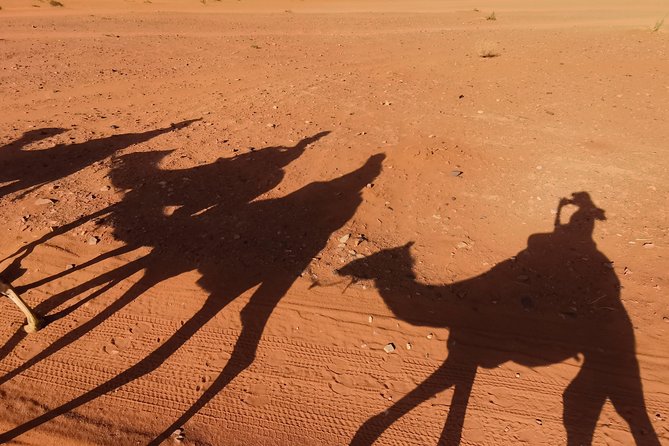
A likely starting point is Ain Abu Aineh, better known to many visitors as Lawrence Spring. The spring is associated with T. E. Lawrence, the British officer whose connection with the Arab Revolt helped make Wadi Rum famous in Western travel writing and film.
The appeal here is not only the spring itself. It is the setting: pale and red rock, open sand, and a natural stopping point where you can get your bearings before the longer ride. Your guide may use this part of the route to explain local places and desert life, though the exact amount of commentary can vary.
The camel ride itself requires a little care. Getting on and off is more awkward than sitting in a normal saddle because the camel rises in stages. Follow your guide’s instructions and hold steady as the animal stands. Once moving, the pace is calm, but the rolling motion puts steady pressure on your legs and lower back.
That physical side is easy to underestimate. A short camel ride can feel comfortable at first, then become tiring after an hour or two. If you are not used to riding animals, wear practical clothing and expect some stiffness afterward. The tour requires a moderate level of fitness, and that is worth taking seriously.
The Red Sand Dune and Wadi Rum’s changing colors
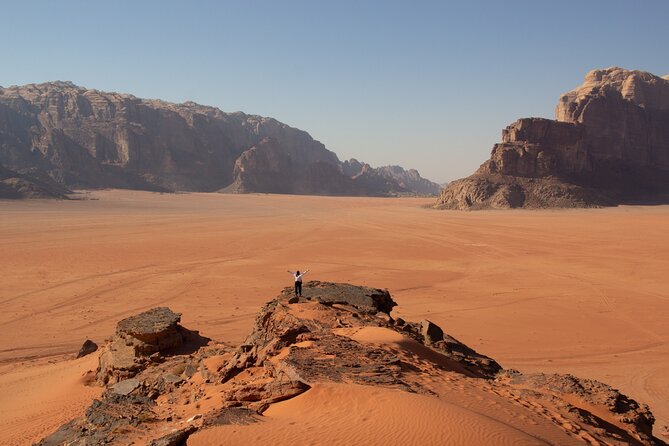
The Red Sand Dune is one of the most photogenic parts of the route. The sand here takes on a stronger orange-red tone, especially when the sun is lower. From camel height, you get a broad view across the valley, with dark rock formations framing the open sand.
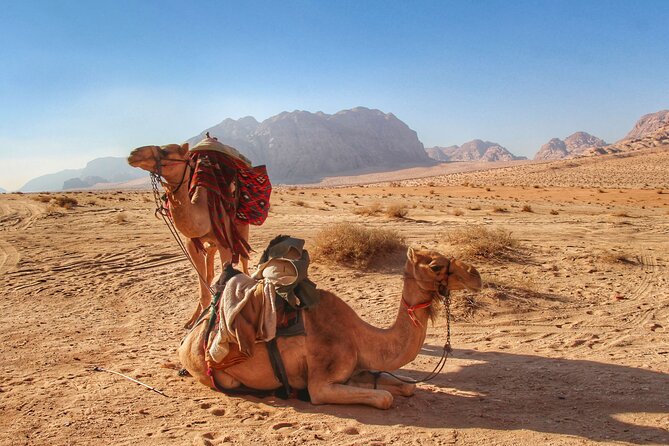
This is an excellent place to stop for photos. You can photograph the camels against the dune, take portraits of your group, or simply enjoy a stretch of open desert without a long list of instructions. The private format gives you more freedom to decide how much time to spend with the camera.
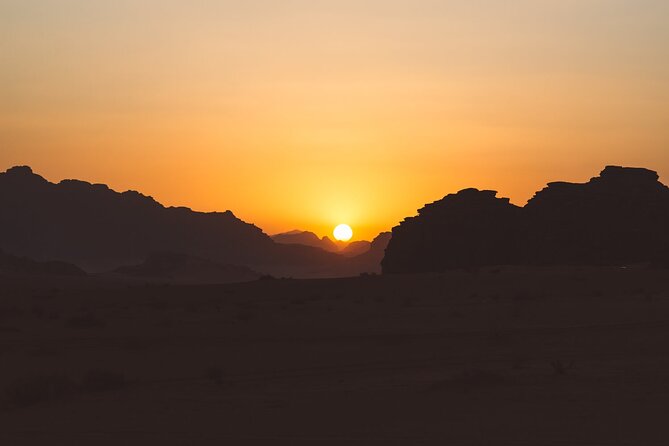
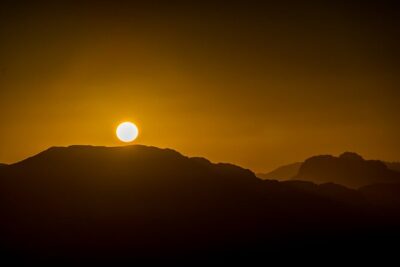
The timing makes a difference. An afternoon ride can bring warmer color and the possibility of a sunset finish, while a morning trip may offer cooler conditions. The supplied information does not promise a sunset tour, so ask about timing if evening light is important to you.
The heat is the main concern. There is little shade in the open valleys, and the sun can feel strong even when the air is pleasant. Bottled water is included, but I would still treat sun protection as essential. A hat, sunscreen, sunglasses, and loose clothing will make the ride easier.
Khazali Canyon and ancient markings
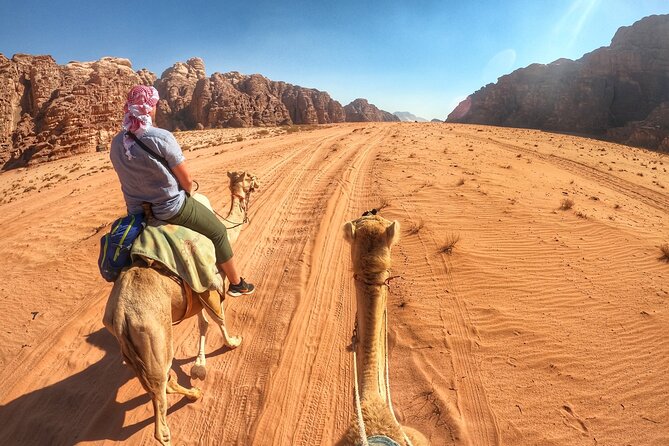
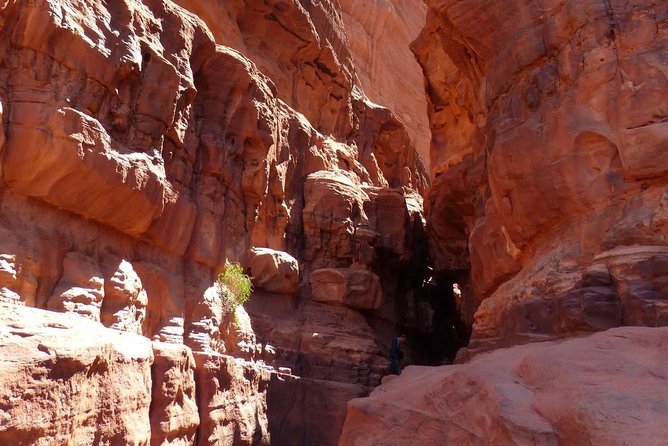
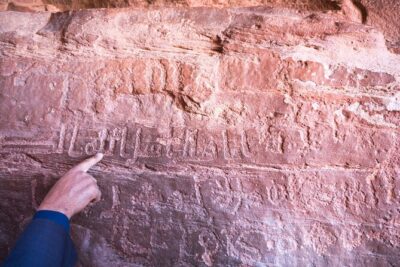
Khazali Canyon adds a cultural stop to what could otherwise be only a scenic ride. The narrow canyon is known for old petroglyphs and inscriptions, giving you a chance to look at signs of human activity in the desert rather than only admire the rocks.
The canyon also offers a welcome change from the open sand. Instead of wide views, you get a closer look at the rock walls and the sheltered passage between them. The contrast makes the route feel more varied.
Your guide leads you to the main points, which is useful because the protected area is large and the rock formations can look similar from a distance. The tour is designed to follow a practical route rather than leave you to find the highlights alone.
One point to keep clear: the exact order and number of stops can depend on whether you go in the morning or afternoon. The route may include Lawrence Spring, the Red Sand Dune, and Khazali Canyon, but you should confirm the plan when you meet your guide if one particular sight matters most.
More Hiking Tours in Wadi Rum
- Dana to Petra Trek + Wadi Rum & the Dead Sea – 9 Days
★ 5.0 · 165 reviews - Wadi Rum: Mountain Hike with Lunch & Scenic Valley Tour
★ 5.0 · 13 reviews - Half-Day Jeep and Hiking Bedouin Tour from Wadi Rum Village
★ 5.0 · 12 reviews - Petra to Wadi Rum Trek – 6 Days
★ 5.0 · 11 reviews
Why the private format is worth the extra money
The listed price is $91 per person. That is not the cheapest way to see Wadi Rum, especially once you add the protected area entrance fee of 7 JD per adult. The fee is free if you have a Jordan Pass, so check that before budgeting.
The value comes from the private arrangement. You are paying for a smaller, more personal outing rather than a basic shared ride. Your group gets its own guide, and the route can be handled at your pace. That is useful for couples, families, or friends who want time for photos and do not want to fit into a fixed crowd schedule.
The cost looks better if you care about the experience of riding through the desert rather than simply reaching viewpoints. A jeep can cover more ground, but a camel ride offers a traditional way to move through the valleys and gives the trip a quieter feel.
Still, I would not book this only because the price seems reasonable. The ride is a physical activity, and you are paying for a slower form of sightseeing. If you want to cover many distant sites in a short time, a vehicle tour may suit you better.
What the Bedouin guides add
The experience is organized by Wadi Rum Desert Eyes, with local Bedouin guides leading the desert routes. Khaled is the main contact named in the supplied material, and longer camel journeys have been led by guides including Ibrahim. For this short tour, ask who will guide your group when you arrive, since the specific person may vary.
The strongest practical benefit of a local guide is route sense. Wadi Rum is vast, and the best path changes with the heat, light, and time available. A guide can take you toward the major sights without asking you to plan every turn yourself.
The human side matters, too. Longer trips with the same provider include traditional food and overnight desert stays, but this outing is shorter and does not include a meal or accommodation. You should book it for the camel ride and scenery, not expect a full Bedouin camp program.
The care of the animals is another important point. The available feedback repeatedly describes the camels as healthy, gentle, and well cared for, with no whips or harsh handling noted in one account. That will matter to anyone concerned about animal welfare.
How long is the ride, really?
The tour is advertised as approximately three to four hours. That is enough time to experience the desert without committing your entire day to camel riding. Afterward, the rest of your day is free for a meal, a rest, or another Aqaba-area activity.
There is one detail you should clarify before booking. The itinerary information also contains an eight-hour duration field, while the tour summary and highlights describe a three to four hour experience. That may reflect a longer schedule around transfers or a data error, but it is not clear from the supplied details. Confirm the expected start and finish times with the operator.
The shorter duration is a good fit if this is your first camel ride. You get the distinctive experience without the strain of a full-day trek. By contrast, the longer rides described in the supplied material came with warnings about sore legs and considerable fatigue.
If you hope to ride at sunrise or sunset, ask about the available departure time. The provider has arranged two-hour sunset rides and other flexible starts on similar outings, but this particular booking is described as a three to four hour tour with morning and afternoon variations.
Practical details that affect your day
Bring water-friendly, comfortable clothing, even though bottled water is provided. You will want sun protection and shoes that work for both sand and a short walk around a canyon or rock formation.
A moderate fitness level is required. You do not need to be an experienced rider, but you should be comfortable sitting on an animal for several hours and getting on and off with assistance from your guide.
The tour starts and finishes at Wadi Rum Rest House in Wadi Rum Village. The description does not include transport from Aqaba, so do not assume a hotel pickup. Plan your route to the meeting point in advance.
The Wadi Rum Protected Area admission fee is separate. Pay 7 JD per adult at the Visitor Centre, or use the Jordan Pass if it applies to you. Mobile tickets and booking confirmation are provided, and cancellation is free up to 24 hours before the start time. Cancellations or changes inside that window are not refunded or accepted.
Who should book this camel trek?
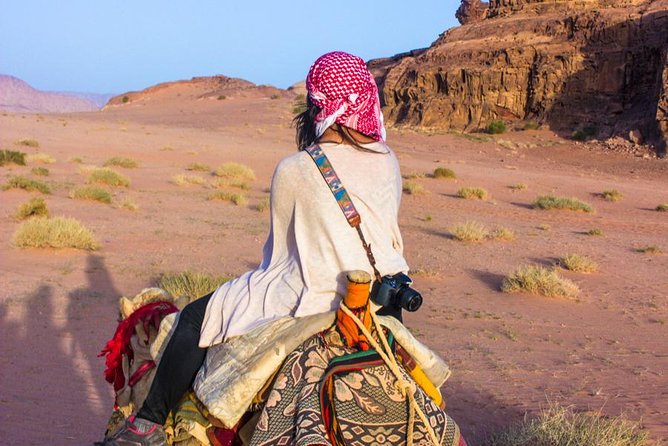
I would choose this for a couple, family, or small group that wants a private desert outing with a local guide. It works especially well if you want memorable photos, a slower pace, and a clear route through some of Wadi Rum’s best-known sights.
It also suits first-time visitors who want more than a brief camel photo stop. The three to four hour schedule gives the ride enough time to feel like a real outing, while leaving the rest of the day open.
I would think twice if you dislike animal riding, have limited mobility, or want to cover the greatest possible distance. The camels move slowly, and even a well-cared-for animal cannot make a long ride completely painless.
Should you book it?
Book this camel trek if you value quiet, personal sightseeing and want to experience Wadi Rum at a traditional pace. The private guide, local Bedouin connection, included water, and stops at places such as Lawrence Spring and Khazali Canyon make the $91 price easier to justify for a small group.
Skip it if your priority is comfort, speed, or a full day packed with many sites. For everyone else, this is a focused way to meet the desert, with enough time to appreciate the silence and enough structure to keep the outing simple.
FAQ
Where does the camel trek start?
The tour starts at Wadi Rum Rest House in Wadi Rum Village, Jordan.
Where does the tour finish?
The activity ends back at the meeting point, Wadi Rum Rest House.
How long does the camel tour last?
The tour summary describes an approximate duration of three to four hours. The itinerary information also shows an eight-hour duration field, so confirm the exact schedule with the provider before booking.
Is this a private tour?
Yes. Only your group participates, and you have your own guide.
Which places may I visit during the ride?
The route may include Ain Abu Aineh, also called Lawrence Spring, the Red Sand Dune, and Khazali Canyon. The route can vary between morning and afternoon departures.
Is the Wadi Rum entrance fee included?
No. The entrance fee is 7 JD per adult at the Visitor Centre. It is free with the Jordan Pass.
Is water provided?
Yes. Bottled water is included.
Can I cancel for a full refund?
Yes, if you cancel at least 24 hours before the experience start time. Cancellations made less than 24 hours in advance are not refunded, and late changes are not accepted.
Just added around Wadi Rum
- Wadi Rum Classic 4-Hour Jeep Safari★ 5.0 · 3 reviews
- Wadi Rum: Scenic 2 Hour Jeep Tour or Sunset Jeep Experience★ 5.0 · 7 reviews
- WADI RUM: ALL DAY JEEP TOUR with overnight and full meals★ 5.0 · 3 reviews
- Wadi Rum: Balloons Over Rum★ 5.0 · 18 reviews
- Wadi Rum: 2nights|3Day all-inclusive BedouinDesertExperience★ 4.6 · 9 reviews
- Wadi Rum: 2-Hour Jeep Tour with Bedouin Tea★ 5.0 · 11 reviews
- Wadi Rum: 2 Hour Camel Ride at Sunset/Sunrise Overnight★ 4.7 · 5 reviews
- From Petra to Wadi Rum, then back to Amman or the airport.★ 5.0 · 16 reviews
Camel Rides, compared.
Full Day Tour Lunch Sand boarding Camel Ride Sunset
Read our review →
10 Hour Jeep Tour Pass, Camel, Sandbording & Lunch
Read our review →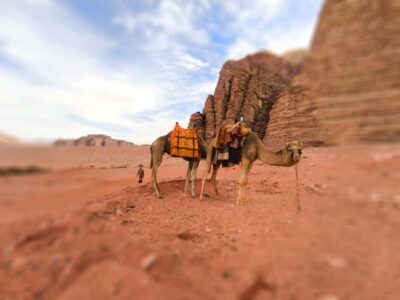
Browse the lists this tour appears in