
Reviewed · AMMAN TOURS
Discover the treasures of Jordan 8-Day Tour
Jordan packs an astonishing amount into a small country, and this 8-day tour gives you the grand sweep: Roman ruins, early Islamic desert castles, Crusader fortresses, Petra’s rose-colored tombs, the Dead Sea, and Wadi Rum’s silent red mountains. Airport pickup and prearranged hotels make the first arrival much easier.
I like the wide range of places covered without asking you to plan each transfer yourself. I also like the personal guiding, with past departures led by warm, proud guides such as Wa’el, Moawia, Mustafa, and Elly Al Kiyyam. The main drawback is the pace: several days run for 10 to 16 hours, and the advertised Red Sea activities are not clearly included in the day-by-day schedule.
Key points to know before booking
- Petra receives a full touring day, including the Siq, Treasury, theater, tombs, and major temples.
- Wadi Rum includes a short 4×4 ride and an overnight stay, which is far better than seeing the desert only from a bus window.
- The longest touring days reach 16 hours, especially around the Dead Sea, Kings’ Way, Petra, and Wadi Rum.
- Airport transfers, breakfast, water, WiFi, and an air-conditioned vehicle are included, but airport or departure tax is not.
- Hotel choices matter, with different standards offered, and a hotel near Petra can save walking time.
- The group may reach 100 people, so this is organized group touring rather than a small private trip.
A strong first taste of Jordan for $1,400
At $1,400 per person, this tour is priced as a package rather than a simple sightseeing shuttle. You are paying for airport transfers, ground transport, seven breakfasts, hotel arrangements, guiding, and a route that covers nearly every major Jordan highlight.
That can be good value if you are visiting Jordan for the first time and want the practical pieces handled in advance. You do not need to work out how to move from Amman to Jerash, Petra, and Wadi Rum, or find separate guides at each major site.
The price is harder to judge without the exact hotel list and meal plan. Lunches, dinners, entrance details on some days, airport tax, and optional activities are not fully itemized. Check the hotel category carefully before booking, especially if you are considering a five-star upgrade.
The schedule is also ambitious. Long drives and full touring days are part of the bargain. You will see much more than you would on a relaxed base-in-Amman holiday, but you will need comfortable shoes, water, sun protection, and a willingness to start early and finish tired.
A few more Amman days worth weighing up
- Amman Petra Full-Day Trip
★ 5.0 · 270 reviews - Amman Walking Tour: Hidden Gems, Culture & Street Food
★ 5.0 · 241 reviews - Joyful Roads Private Car Service
★ 5.0 · 145 reviews
Amman begins with practical airport help
Your trip starts at Queen Alia International Airport, where a transfer takes you to your selected hotel in Amman. That first pickup is useful after a long flight, since you can get settled without negotiating transport on arrival.
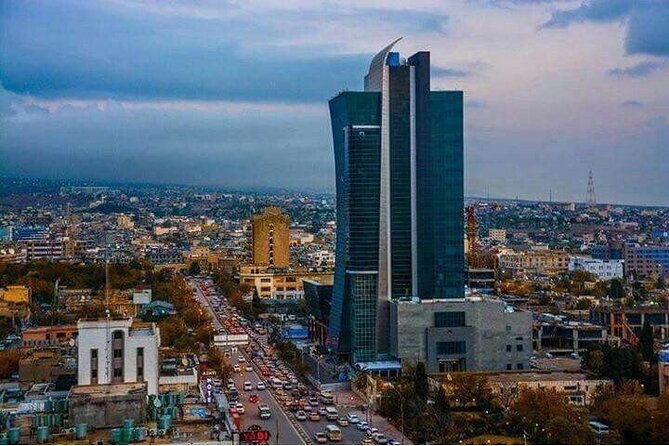
Amman is not just a place to sleep. The capital mixes modern streets with older hills, Roman remains, museums, galleries, and lively local neighborhoods. The schedule gives you a proper city visit later, rather than rushing through Amman in a single hour.
The tour operates daily between 7:00 a.m. and 7:00 p.m., according to the stated operating hours. Confirm your arrival details carefully, since the airport transfer is the first important handoff of the trip.
Desert castles and the old city of Amman
Day two is a 10-hour outing built around Jordan’s eastern desert castles and central Amman. The desert complexes are early Islamic art and architecture sites, with decorative work and building forms that show a different side of Jordan from the Roman and biblical places later in the week.
The title Desert Castle Bazaar can sound like a shopping stop, but the description focuses on the desert castles themselves. You should expect historical complexes rather than a conventional market visit.
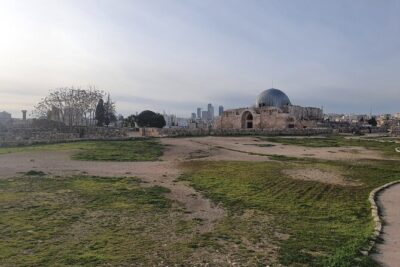
Back in Amman, the Roman Theater gives you a clear sense of the city’s ancient center. The Citadel adds broad views and layers of settlement, while the Archaeology and Folklore Museums provide useful context for the objects, customs, and communities connected to the sites.
An art gallery visit adds a modern note. I like that balance. Jordan is not presented only as an ancient backdrop, but as a living country with current artists and a working capital.
This day includes admission, and you return to Amman for the night. Wear shoes with a good grip. Citadel and ruin visits involve uneven ground, steps, and exposed sun.
Jerash and Ajloun show two sides of northern Jordan
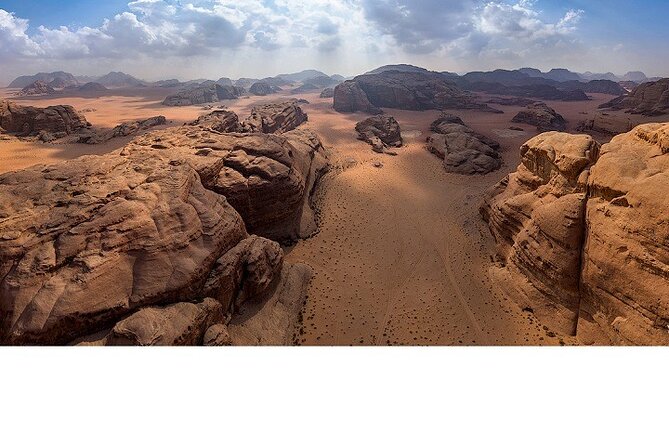
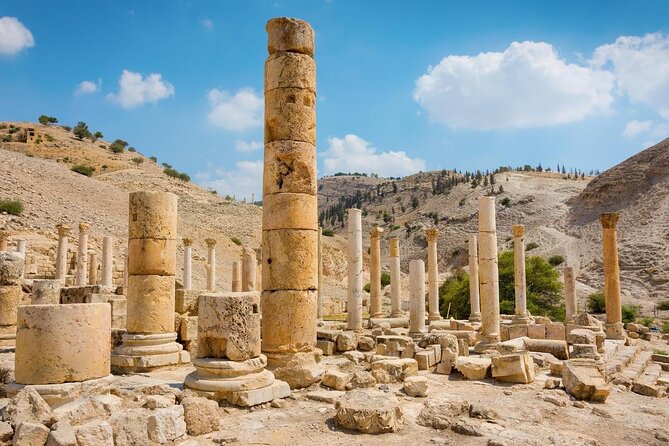
Day three takes you north for about 10 hours. Jerash is one of the best-preserved Roman cities in the region, and its colonnaded streets, theaters, temples, and churches make it easy to picture how a major ancient city was organized.
Jerash rewards attention to small details. Look along the paving, at the surviving columns, and across the open spaces that once carried public life. A guide adds value here because a field of stones can otherwise blur into one long procession of ruins.
The route then turns toward the pine forests of the Ajloun and Dibbine area and Ajloun Castle. The castle’s hilltop position and Ayyubid military design offer a sharp change from Jerash. Instead of civic buildings and theaters, you get walls, towers, and a medieval defensive site linked to the struggle against the Crusaders.
The supplied schedule marks admission as free for this day. That does not mean you should expect no incidental costs, so keep small cash available for snacks or personal purchases.
This is one of the more balanced days. You get archaeology, a fortress, and northern Jordan’s wooded countryside without the extreme driving time of the southern route.
Same corner of Jordan, a completely different kind of day:
- Multi day tour in Jordan – 08 Days
★ 5.0 · 137 reviews - Amman: Culture, History, Tradition & Food Day or Night Tour
★ 5.0 · 124 reviews - Jordan Tour: Private Driver – Luxurious car
★ 5.0 · 88 reviews - Private Walking Tour in Amman With Local
★ 4.5 · 77 reviews
Iraq El Amir and the Dead Sea require stamina
Day four is listed at 16 hours, making it the most demanding day before the southern journey. The first stop is Iraq El Amir and Qasr El Abed, a Hellenistic castle with Greek, eastern, and Roman influences.
The site is valuable because it does not fit neatly into one cultural label. Its appearance reflects the overlap of traditions that shaped Jordan over many centuries. This is a place to pause and look closely rather than race through for a quick photograph.
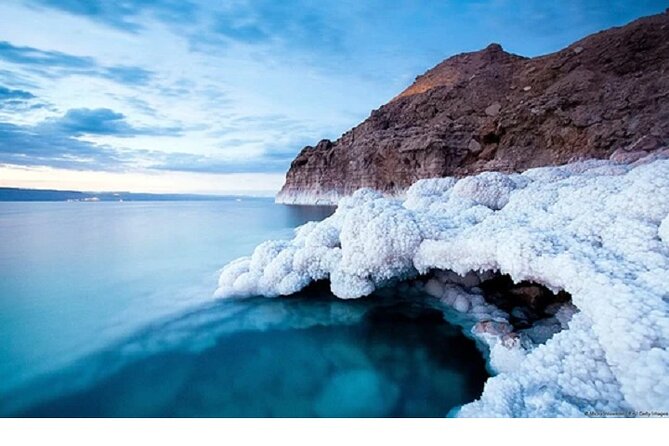
The day continues to the Dead Sea, the lowest point on Earth. Its dense salt water makes floating easy, and the setting is unlike a normal beach visit. You should follow local advice about entering the water, avoid getting water in your eyes, and rinse off afterward if facilities are available.
The Dead Sea is also a climate experience. The heat can feel intense, particularly in summer, and you may find the visit physically tiring after a morning of sightseeing. It is worth bringing swimwear, sandals, sun protection, and a change of clothes.
The route returns to Amman for the night. On paper, this is a long loop, so ask how much time is planned at each stop. If you value a relaxed Dead Sea visit, the tight timing may be the main weakness of the tour.
Madaba, Mount Nebo, and Kerak build the road to Petra
Day five heads south along the Kings’ Way, one of Jordan’s most scenic historic routes. The first major stop is Madaba, known for its ancient mosaic map of the Holy Land and its mosaic school.
The map is not simply decoration. It gives you a visual record of how sacred places and regional geography were understood in an earlier period. The mosaic school helps connect the old work with ongoing craft traditions.
At Mount Nebo, the viewpoint reaches across the Dead Sea and Jordan Valley. The site is associated with Moses and is presented as his alleged burial place. The importance here is both religious and geographic: you can see why this ridge has mattered to pilgrims and visitors for centuries.
The drive continues through Wadi Mujib to Kerak Castle. Built by Crusaders in the 12th century, the fortress sits on a hill about 1,000 meters above sea level, with valleys on three sides. Its thick walls and dark passages are a good contrast to the open desert sites earlier in the trip.
This is another 16-hour day, and the schedule marks admission as free. The combination is worthwhile, but do not underestimate the road time. If you are prone to motion sickness, prepare before setting out.
You spend the night in Petra, which is exactly where you want to be before the next morning’s main visit. Ask where your hotel is located. One of the useful practical lessons from this tour is that a property close to the archaeological site can save both time and energy.
Petra deserves the full day it receives

Day six is the emotional center of the trip. Petra was the capital of the Nabatean Kingdom, and you enter through the Siq, a narrow natural gorge between sandstone cliffs.
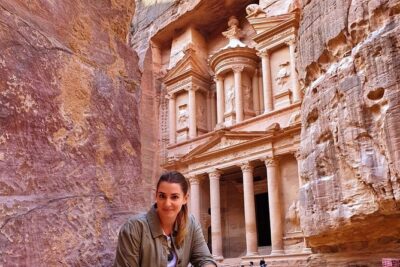
The approach matters. The Treasury appears at the end of the winding passage, so the first view has a real sense of arrival. From there, the route includes tombs and temples cut into pink stone, the Roman Theater, the Courts, Qasr Bint Pharaoun, and the Temple of the Winged Lion.
Do not treat Petra as one monument. It is a large archaeological area, and the spaces between the famous buildings are part of the experience. You will walk on uneven paths and spend much of the day outside, so supportive footwear is more useful than stylish footwear.
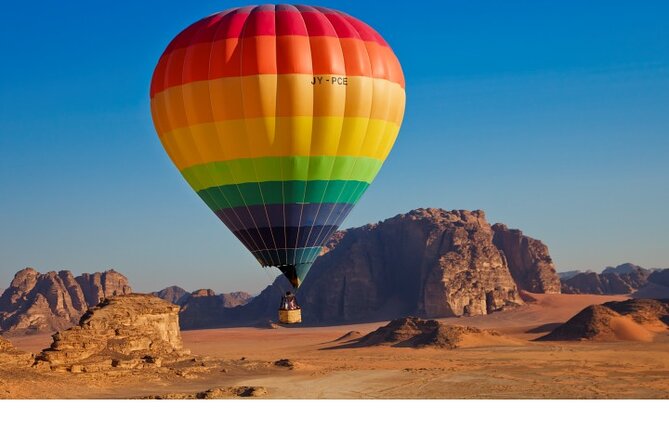
The schedule then sends you onward to Wadi Rum, about two hours south. That makes for a very full day, but the contrast is powerful. Petra is carved stone and human construction. Wadi Rum is open desert, rose sandstone mountains, canyons, and dunes.
You spend the night in Wadi Rum. That overnight is one of the strongest features of the trip because it gives you time to experience the desert after the day’s crowds and road traffic have faded. The information provided does not specify the camp standard or exact sleeping arrangements, so ask before booking if that detail matters to you.
Wadi Rum brings silence, scale, and a short 4×4 ride
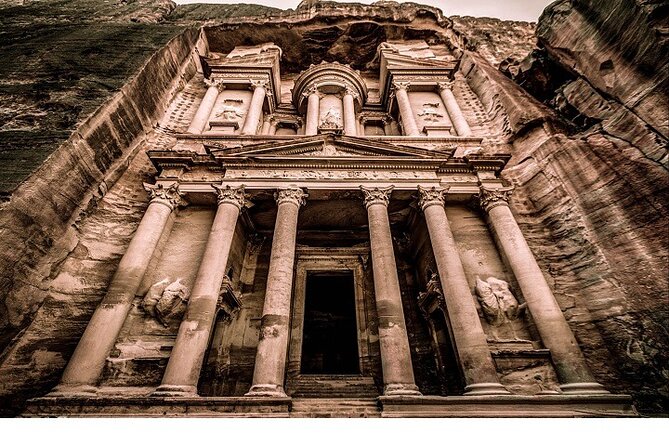
On day seven, you visit Wadi Rum Village and take a short 4×4 ride through the desert. The area is linked with Lawrence of Arabia and is known for its moon-like scenery.
The ride is not described as a full-day desert expedition. Think of it as a compact introduction to the rock formations, open sand, and canyon views. The overnight stay gives the desert more weight than a brief roadside photo stop, but you should not assume that every possible camp activity is included.
After breakfast, the group returns to Amman for the final overnight. That return is a long transfer, listed as part of another 16-hour day. In practical terms, this means you will spend a large part of the day on the road after your desert morning.
The broad overview also refers to Red Sea activities and canyon adventures, but those experiences are not set out in the eight daily stops. If swimming or Red Sea time is a priority, ask the operator to confirm whether it is included on your departure or available as an added option.
Guiding, group size, and the feel of the trip
The guide can make or break a fast-moving circuit. This program uses a professional accredited guide, and named guides connected with past departures include Wa’el, Moawia, Mustafa, Elly Al Kiyyam, Lutfi, and Sameer. You should not assume one particular person will lead your date, but the repeated emphasis on warm, helpful guiding is encouraging.
The strongest guide style here appears to combine facts with personal stories about Jordanian customs and daily life. That matters because Petra, Jerash, and the desert castles can otherwise become a long chain of names and dates.
The maximum group size is 100 people. That is a significant number, even if the actual departure is smaller. A large group can keep the price down and simplify logistics, but it may slow movement at entrances and make direct questions harder.
Transport is by air-conditioned vehicle, with WiFi and water provided. Those details matter on the long southern drives. Breakfast is included for seven mornings, while other meals are not listed as included.
Who should book this Jordan tour
I would point this tour toward a first-time visitor who wants Jordan’s main sights in one organized package. It suits you if airport assistance, fixed transport, hotel planning, and a guide are worth more than choosing your own pace.
It is also a good fit if you want variety. Within one week, you move from Roman cities to Islamic architecture, forests, castles, religious sites, salt water, Nabatean stonework, and desert mountains.
I would hesitate if you want long, quiet stays at each place. The 16-hour days are real, not just a technical estimate. You should also ask detailed questions about hotel locations, the exact hotel category, included entrance fees, optional activities, and the Red Sea reference before paying.
The tour is accessible to most participants, and service animals are allowed. Still, Petra, castles, Roman ruins, and canyon areas involve walking over uneven surfaces. Most people can take part, but your own mobility and heat tolerance matter.
Final verdict: a big Jordan sampler with a fast pace
Book this tour if you want the country’s headline sights arranged from airport arrival through departure, and if you accept several long days in exchange for broad coverage. Petra, the Dead Sea, and the Wadi Rum overnight give the trip its strongest moments, while Jerash, Madaba, Mount Nebo, and Kerak add useful depth.
Skip it if your ideal holiday means slow mornings, independent meals, or several nights in one place. Before booking, confirm the hotel names, group size for your date, and whether Red Sea activities are truly part of your package.
For a first Jordan visit, the route offers a lot for $1,400. Its value depends on how much you prize convenience and coverage. If you do, this is a practical way to see the country without spending your holiday arranging every road transfer yourself.
FAQ
Where does the Jordan tour start?
The tour starts at Queen Alia International Airport in Amman, Jordan, with a transfer to your selected hotel.
How long is the tour?
The tour lasts approximately eight days, from airport pickup on day one through the airport transfer on day eight.
What is included in the price?
The package includes an air-conditioned vehicle, WiFi onboard, water, airport pickup and transfers, hotel arrangements, professional guiding, and seven breakfasts.
Is Petra included?
Yes. The tour includes a visit to Petra, with the Siq, Treasury, Roman Theater, Courts, Qasr Bint Pharaoun, Temple of the Winged Lion, tombs, and other monuments.
Is Wadi Rum included?
Yes. The tour includes an overnight in Wadi Rum and a short 4×4 ride through the desert after visiting Wadi Rum Village.
Can I cancel for a full refund?
Yes, if you cancel at least 24 hours before the experience start time. Cancellations or changes made within 24 hours are not refunded or accepted.
Just added around Amman
- Jerusalem & Bethlehem Full-Day Tour from Amman or Dead Sea★ 5.0 · 5 reviews
- Amman Airport Pickup Or Drop off -To Or From Dead Sea★ 5.0 · 4 reviews
- From Petra to Wadi Rum, then back to Amman or the airport.★ 5.0 · 16 reviews
- Private Transfer From Petra to Amman or Airport With Optional★ 5.0 · 4 reviews
- Private Departure Transfer: Petra Hotels to Amman Airport★ 5.0 · 4 reviews
- Amman and Aqaba airport lift to Petra and Wadi Rum★ 5.0 · 11 reviews
- Private Departure Transfer: Dead Sea Hotels to Amman Airport★ 5.0 · 10 reviews
- Queen Alia Airport Transfers From / To Amman, Petra, Dead Sea.★ 5.0 · 3 reviews
Amman Tours, compared.
Amman Walking Tour: Hidden Gems, Culture & Street Food
Read our review →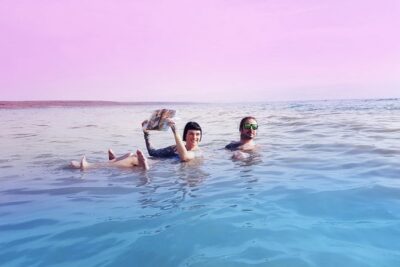

Jordan Private 4-Day Tour: Mt Nebo, Kerak, Petra, Wadi Rum, Baptism Site, Amman
Read our review →
Amman Food Tours: 3-Hours Guided Walking Food Tour in Amman
Read our review →Browse the lists this tour appears in